
Treating the Room or Treating the Mic Position: Which Comes First
Two ways to improve how a studio sounds on air: fit acoustic treatment to the room, or rework microphone placement and presenter positions. Here is how they compare and which we recommend first.
Priya Shah · · 6 minutes to read
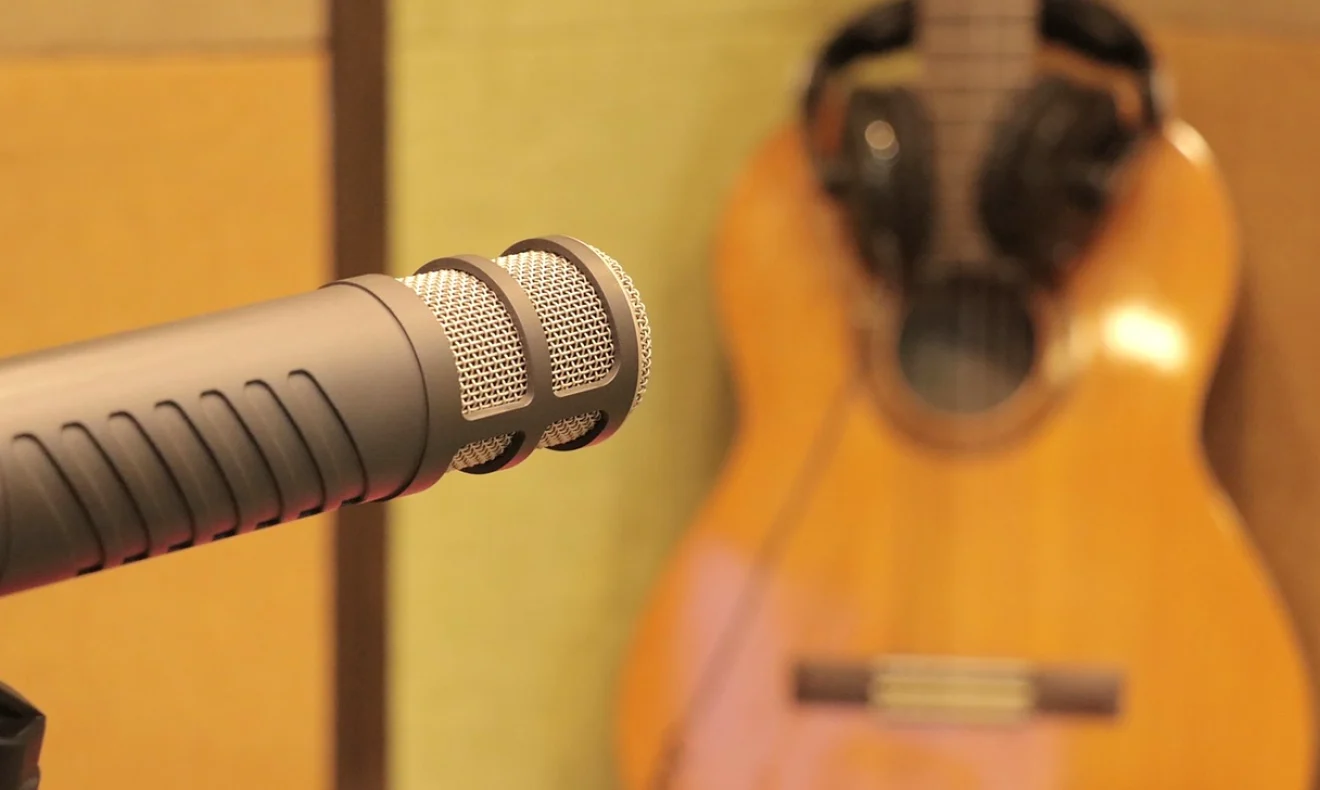
Two routes to cleaner speech on air
When a presenter sounds boxy or a guest is hard to follow, producers usually face the same choice. One route is to treat the room itself with absorbers, diffusion and sealing. The other is to leave the walls alone and change how voices are captured: microphone type, distance, angle and where people sit.
Both routes work, and both can disappoint when chosen blindly. In my work with studio teams I see the room-first approach started because it feels permanent and serious, and the placement-first approach started because it costs almost nothing and can be tried before the next bulletin.
This comparison looks at what each route fixes, what it leaves behind, and which one I recommend starting with. The answer depends on what a measurement of the space actually shows, so I will also explain what that measurement looks like in practice during these autumn weeks, when many studios review their set-ups before the busy winter schedule.
Option one: treating the room
Room treatment deals with the cause. Reflections from bare walls, a hard floor or a glass partition arrive at the microphone a few milliseconds after the direct voice and smear it. Absorption on the right surfaces shortens that tail, and bass traps calm the low build-up that makes male voices sound heavy on talk programmes.
The benefit is consistency. Once the room is treated, every microphone, every presenter and every guest chair benefits, including the ones nobody thought to check. Camera moves and set changes matter less because the space itself is no longer adding colour.
The costs are real. Panels need wall area that set designers also want for graphics and screens, they must be fire rated and look right on camera, and installation usually needs a day or two off air. Treatment also cannot rescue a poorly placed microphone, and over-treating produces a dead, close sound that makes presenters tire and guests sound uneasy.
- Fixes reflections, flutter echo and low-frequency build-up
- Benefits every position in the studio at once
- Needs wall space, lead time and some time off air
- Cannot compensate for poor microphone choice or distance
Option two: reworking microphone placement
Placement changes how much room the microphone hears relative to the voice. Bringing a boom or a lavalier closer raises the direct sound against the reflections, which often gives a large improvement for no spend. Choosing a tighter pickup pattern and aiming it away from a reflective surface does more again.
This route is quick and reversible. You can test it during rehearsal, compare recordings of the same line, and settle on marks for presenters and guests. For small interview sets and temporary studios it is frequently all that is needed.
Its weakness is dependence on discipline. A presenter who leans back, a guest who turns to the monitor, or a boom operator who drifts will bring the room back into the sound. Close placement also exposes breath, plosives and clothing noise, and it is awkward on wide, walk-and-talk formats where speakers move and a fixed distance cannot be held.
Where each one breaks down
Room treatment fails when it is specified from habit rather than measurement. Panels hung where they are easy to fit, not where the first reflections land, do little. Equally, a studio with a loud air-handling unit or a rumbling corridor will not be saved by wall panels, because the problem is noise arriving from outside the speech path.
Placement fails in the opposite way. If the room has a strong ring or a pronounced low resonance, a close microphone hides it only while everybody stays on their marks. The first unscripted moment, a guest standing to point at a screen, reveals it again, and an engineer is left riding faders through a live show.
Both routes also fail when nobody listens on the real chain. Judging by studio monitors in the gallery, rather than by what the control room hears through the same path as the audience, leads teams to fix the wrong thing and declare success too early.
- Treatment without measurement misses the reflections that matter
- Placement alone masks problems that return when speakers move
- Noise from ventilation or neighbouring rooms needs its own fix
What I recommend: measure, place, then treat
My recommendation is to take them in a fixed order. Begin with a measurement of the empty and occupied room, looking at reverberation time, early reflections and background noise. This takes a few hours and tells you whether the room is the real problem or merely an easy suspect.
Then work on placement before buying anything. Set microphone distances, pickup patterns and marks, record the same script at each position, and listen back on the gallery chain. Many small studios stop here because the result is already good enough for news and interview work.
Only treat the room for what remains: the specific reflections and low build-up that the measurement identified and that placement cannot hide. This sequence keeps spending proportionate, protects wall space for the set, and means every panel has a reason you can point to on a graph and hear in the result.
- Measure the room, occupied and empty
- Fix placement and marks, and compare takes
- Treat only what the measurements still show
Choosing for your own studio
A large permanent news studio with fixed desks and long daily output leans towards room treatment, because consistency pays back over thousands of hours. A flexible interview set or a studio shared between programmes leans towards placement, since the layout changes and a fixed treatment may sit in the wrong place half the time.
Most facilities sit between the two, which is why the order matters more than the choice. Starting with measurement and placement gives you evidence, and evidence makes the treatment brief short and specific if you do need one.
If you are unsure which camp your studio falls into, bring a recording of a typical programme and a plan of the space. That is enough to say where the problem probably sits before anyone picks up a tape measure.
Neither option wins on its own. Treating the room is the lasting fix but only when it follows a measurement, and microphone placement is the cheapest test but only holds while speakers stay put. My advice is to measure first, adjust placement second and treat the room last, for exactly the faults that remain. That order protects your budget and your set design, and it gives presenters and guests a clean sound without a dead studio.
Keep reading
-
Five acoustic mistakes that spoil a live studio and how to avoid them
Most on-air sound problems start in the room, not the microphone. Five common acoustic mistakes in live studios, and the practical checks that stop them.
-
What Camera Operation Coaching Costs and What Moves the Price
A plain account of how coaching for live news and interview camera crews is priced, which choices raise or lower the fee, and what to settle before you ask for a quotation.
-
Before the Dark Evenings: Steadying Your Live Workflow This Autumn
Longer evenings bring more live output and tighter turnarounds. Tom Eastwood explains how a review of rundowns, cueing and talkback can be timed to these weeks.
Priya Shah
Acoustics and Audio ConsultantPriya specialises in studio acoustics and live sound for talk and interview programmes.