infozelle Contact

About

An Oxford consultancy for live television, working with broadcasters and independent studios on equipment, cameras, acoustics, lighting and the processes that keep a show on air.

How a small hub came to focus on live work

infozelle was founded in Oxford in 2012 by people who had worked in studios and galleries and saw the same problems repeated. Live television rewards preparation and punishes improvisation. We set out to help teams prepare better.

The company began with equipment integration. Studios were buying good kit and connecting it in ways that worked on a quiet day but struggled when a programme overran or a source failed. Helen Marsh, who had designed galleries for regional news and live events, led that early work.

Over time the questions widened. Producers asked why their presenters sounded thin on air, why one side of a set looked flatter than the other, and why new camera operators took so long to settle into live shot sequences. Each question pointed to a person with the right experience, and the team grew around those answers.

Today infozelle has four consultants, each responsible for one part of the craft: production systems, camera work, acoustics and audio, and lighting. A fifth service, the workflow review, draws on all four and looks at how a programme is cued and run.

We keep the company small on purpose. The person who visits your studio is the person who writes the findings and, usually, the person who carries out the work. That keeps advice specific to your room and your crew rather than generic.

Our base is a small office in Jericho, Oxford. Most of our work happens elsewhere, in your studio, during your rehearsals, with your people.

How we work

What working with us looks like in practice

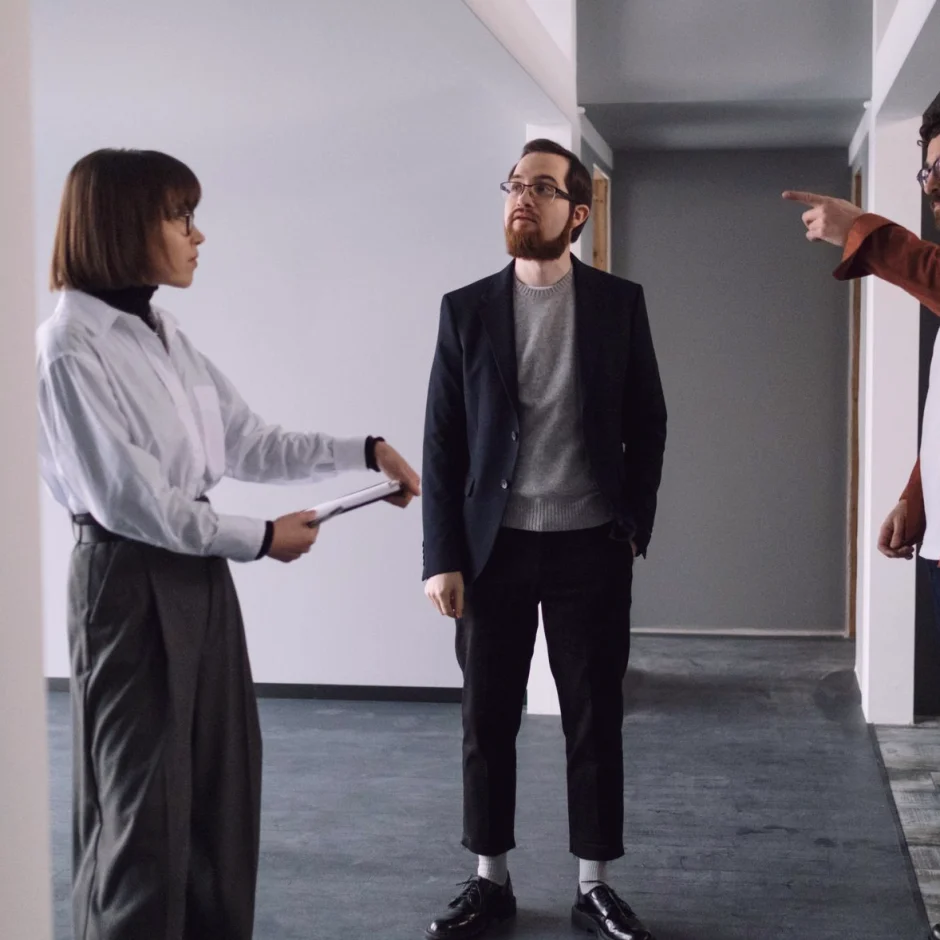
We favour plain methods that a busy production team can follow. Advice is delivered in writing, tested with your own crew and designed to keep working after we have left the building.

What working with us looks like in practice

Hands-on in your studio

We work in your gallery and on your floor, with your equipment and your crew, rather than from a distance with general advice.

Written, usable findings

Reports, diagrams and shot guides are written for the people who will use them, in plain language and without padding.

Fitted around your schedule

We plan visits around rehearsals and transmission, so the work disturbs your programme as little as possible.

One named consultant

Each engagement has a lead consultant you can phone or email directly, from first call to handover.

What we stand for

  1. Reliability

    A live programme cannot be paused. We test systems under realistic conditions, plan fallbacks and write down what to do when something fails, so the crew is not working it out on air.

  2. Clarity

    We explain findings in ordinary words and label what we install. If a decision is yours to make, we set out the options and the trade-offs plainly.

  3. Craft

    Good live television comes from small, careful choices: where a camera sits, how a panel is placed, how a lamp is angled. We care about getting those details right.

Our approach

Why live television needs its own kind of preparation

Recorded programmes can be fixed afterwards. Live ones cannot. That single fact shapes how we advise: we look for the points where a broadcast is fragile and strengthen those first, before adding anything new.

Plan for the bad day

Most studios run well when everything behaves. We look at what happens when a camera drops, a guest arrives late or a graphic fails to appear. We ask who decides, who is told and how quickly the picture recovers. Where there is no answer, we help you write one. This is often a short document and a rehearsal, yet it changes how calmly a team handles a problem on air.

Keep the crew in the loop

Equipment is only part of a studio. Directors, operators, audio staff and floor managers all depend on clear talkback and a shared understanding of the rundown. We spend time listening to how your team speaks to each other during a run, because small changes in cueing and intercom habits often matter as much as new hardware.

Leave knowledge behind

We would rather you needed us less after each engagement. Coaching sessions end with shot guides the operators can revisit, acoustic work with measurements you can compare against later, and lighting plans with settings recorded for each set. When we return, it should be because the studio has changed, not because nothing was written down.

Get in touch