
The Tools We Trust When Wiring a Live Gallery
A lighting designer's view of the methods behind studio equipment integration: signal maps, labelled looms, test routines and rehearsal habits that keep a gallery steady on air.
Tom Eastwood · · 6 minutes to read
Why I write about wiring as a lighting designer
Lighting and the gallery look like separate trades until a show goes wrong. I have stood behind the director during a live run while a tally light failed to follow the vision mixer, and the whole room looked at the set lights first. Over the years at infozelle I have watched Helen Marsh and her colleagues plan, wire and test galleries, and I have learned that the methods they rely on are plain, repeatable and almost entirely on paper before any cable is cut.
This note is about those methods and the materials behind them: what goes into a studio equipment integration job, how it is checked, and why the dull steps matter most. It is the third of our pieces on the subject, so I leave the history and the vocabulary to others and stay with the working kit, the habits and the order in which things are done in the weeks before a gallery goes live.
Start with a signal map, not a shopping list
Every integration begins with a drawing. Before anyone discusses which vision mixer or router to use, the team sketches every source, destination and control path: cameras, replay, graphics, talkback, monitoring, tally and the feeds that leave the building. Each line gets a name and a direction. The drawing shows where one failed device would take two others with it, and it often changes the equipment conversation completely.
I like this method because it speaks a language a lighting person can follow. A signal map reads like a lighting plot: positions, circuits, dependencies. When I need a tally output near the set, or a monitor feed for the floor manager, I can see at a glance whether it already exists or must be added. The map is kept as a living document and revised whenever the gallery changes, so the next engineer inherits the same picture.
- Sources, destinations and control paths drawn before equipment is chosen
- Single points of failure marked in plain view
- One revision history kept alongside the drawing
Labelled looms and the discipline of the patch bay
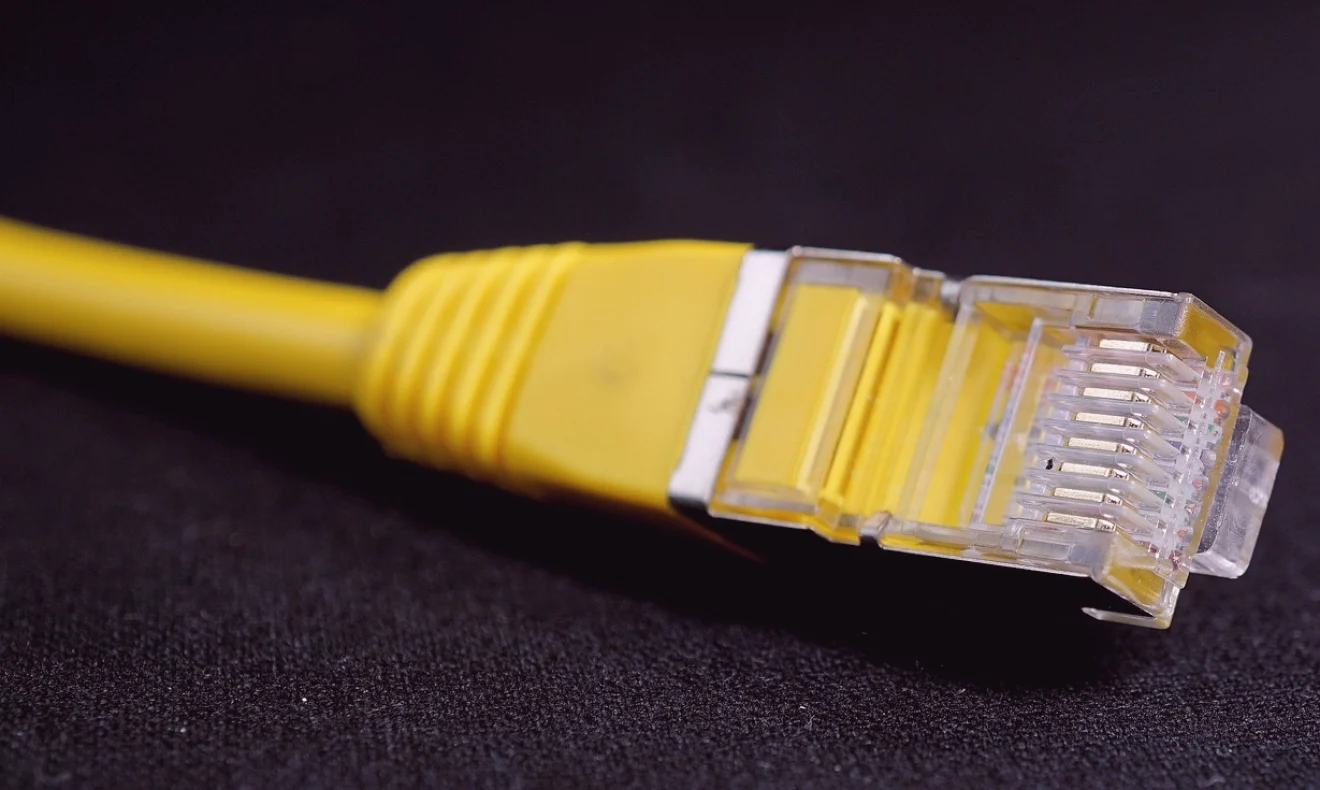
The materials are modest: cable of the right grade, proper connectors, clear labels, cable ties that can be cut without damaging the loom, and a patch bay laid out in the same order as the signal map. None of it is exciting, yet most faults I have seen in live studios traced back to a mislabelled lead or a connector that was nearly seated. A loom that a stranger can follow at two in the morning is worth more than a clever one.
We label both ends of every cable with the same short code, and the code appears in the drawing. Routers and intercom panels carry the same naming, so a producer asking for camera three to the monitor wall is asking for something that exists under that name in every place it appears. The rule is simple, and the cost is a few extra hours at installation that are repaid the first time something needs tracing.
Testing before anyone trusts it
Testing is where the method earns its keep. Each path in the signal map is exercised one at a time and ticked off: sources arrive at the right destinations, tally follows the mixer, talkback reaches the people who need it, monitoring shows what is really leaving the building and not just what was sent. Faults found at this stage cost a conversation. Found during a broadcast, they cost far more.
Then we test the failures on purpose. Pull a feed, drop a device, switch to the fallback path and see who notices. Daniel Okafor often sits in as a camera operator during these runs because a crew member reacting to a dead cue light tells us more than a meter does. The results go into a short written record, so the studio team holds evidence of what was checked and how it behaved.
- Every path tested individually, then together
- Deliberate failures to prove the fallback route
- A written record handed to the studio team
Rehearsal with lights, cameras and sound together
Gallery tests on an empty studio only go so far. A rehearsal with set lighting on, cameras live and presenters in position shows interactions that a bench test hides: a lamp dimmer that puts hum on a microphone line, a monitor that washes out under key light, a tally lamp invisible from the camera's angle. This is where my own trade meets the integration work, and it is the part I value most.
We schedule at least one full run in the real conditions of a show, with the rundown the producers actually use, and we ask the crew to try to break it. Priya Shah listens for noise while Tom's lighting is brought up and down, and everyone writes down what they notice. The list is short by the second rehearsal if the groundwork was sound, and the rest of the work is tidying small things nobody wanted to find on air.
Leaving the studio able to look after itself
An integration is only as good as the team's ability to keep it working after we leave. We hand over the signal map, the labelling scheme, the test record and a short list of routine checks for the start of each broadcast day. Nothing is hidden in a laptop that only one of us can open. If a producer or technical lead wants to change something, the documents show what depends on what.
Mid autumn is a sensible moment to think about this, with winter schedules and longer live programmes arriving. A gallery that was fine for summer repeats can show its weak points once the daily volume rises. A review of the documents and a repeat of the failure tests takes little time and often shows where a spare, a label or a rehearsal would have saved an evening.
- Signal map, labels and test record handed over together
- Short start-of-day checks written for the studio crew
The methods behind a dependable gallery are not clever: a drawn signal map, labelled looms, tests that include deliberate failures, rehearsal under real lighting and documents the studio team can read. From the lighting side, I see the same principle everywhere in our work, which is to make the system understandable before making it impressive. If you are planning a gallery or reviewing one, those are the things worth asking about first.
Keep reading
-
Five acoustic mistakes that spoil a live studio and how to avoid them
Most on-air sound problems start in the room, not the microphone. Five common acoustic mistakes in live studios, and the practical checks that stop them.
-
Tally, Talkback and Genlock: Gallery Terms in Plain Words
Three terms that cause confusion when a gallery is wired as one system, explained without jargon: what a tally does, how talkback differs from programme sound, and why genlock keeps pictures steady.
Tom Eastwood
Lighting DesignerTom designs lighting for news sets and live shows, with a focus on even, camera-friendly results.